Effective Note Taking Methods
The clock ticks down the minutes, reminding that this window for focused learning is limited. Yet, as the self-learner prepares to dive into notes, the first ten minutes often slip away searching for the right page. The notebook, filled with scribbles and diagrams, can feel overwhelming, especially when trying to find the last point of focus amidst scattered thoughts.
This moment of disorientation highlights a common friction point in effective note taking: the restart point isn’t always obvious. Without a clear marker of where to begin, it’s easy to fall into the trap of browsing through pages instead of actively engaging with the material. A simple adjustment, such as marking the last reviewed section with a pen or sticky note, can save precious time and help establish a solid starting point for the session.
The First Step That Gets Skipped
The cluttered desk is a familiar sight, with notes sprawled across the surface and a pen waiting patiently beside a stack of flashcards. Yet, the first few moments often dissolve into a search for the right page in the notebook, filled with hastily scribbled thoughts and diagrams.
With the flashcard stack looming in the corner, the learner feels a pang of frustration. Where to begin? The last point of focus is lost in a sea of notes, and the restart point isn’t clear. This disorientation can easily lead to aimless browsing instead of productive engagement. A practical move is to take a moment to mark the last reviewed section with a small sticky note or a bold line in the notebook. This simple action creates a visual anchor, guiding the learner back to where they left off and preventing the session from drifting into a mindless scroll.
As the timer ticks down, the learner can now focus on the flashcards, flipping through them with intention. Each card becomes a targeted review opportunity, rather than a random selection. By establishing a clear starting point, the learner can maximize their limited window for focused learning, turning potential chaos into structured practice.
When the Restart Point Isn't Obvious
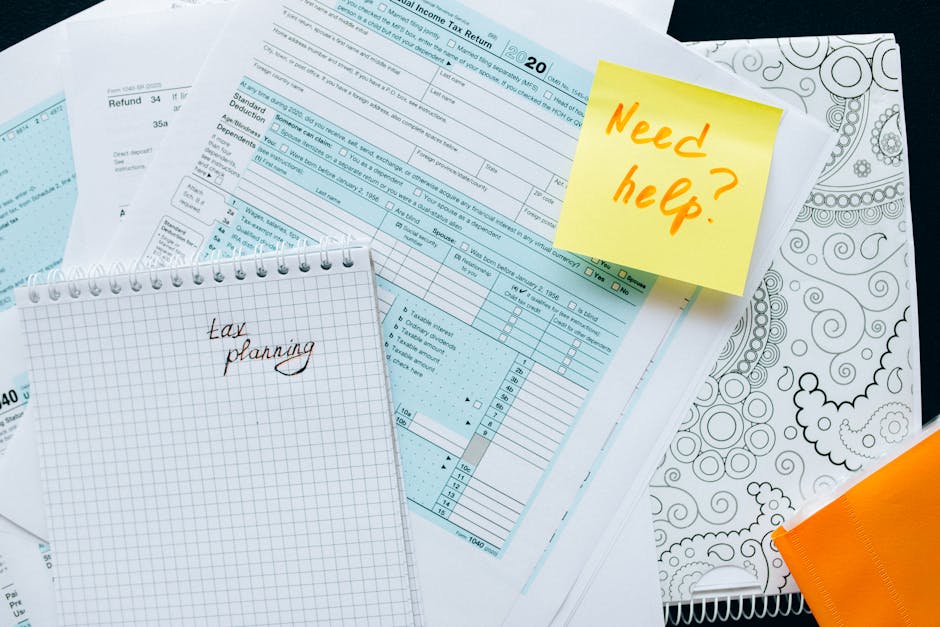
The desk is cluttered with notes and a stack of flashcards, but the last page of the notebook remains elusive. The first ten minutes slip away as the learner flips through pages, searching for the last point of focus. Without a clear restart point, the temptation to browse online or check social media looms large, threatening to derail the entire session.
A practical adjustment involves marking the last reviewed section with a bold line or a sticky note. This small action serves as a visual cue, guiding the learner back to where they left off. Once the page is identified, the learner can set a timer for 20 minutes, focusing solely on the flashcards without distraction. Each card flipped becomes a deliberate choice rather than a random selection, reinforcing the material effectively.
Why Friction Happens: The Mechanism Behind Distraction
If this pattern keeps repeating, Practical Life Skills Us extends the idea without leaving the niche.
The clutter on the desk isn't just a minor annoyance; it actively pulls focus away from the task at hand. With notes scattered haphazardly and a stack of flashcards looming, the learner feels overwhelmed. The absence of a clearly defined starting point compounds this issue, as the learner flips through their notebook, searching for the last page they worked on.
Good intentions alone aren't enough to combat this friction. A simple yet effective adjustment would be to place a sticky note on the last reviewed page, making it instantly recognizable. Once the page is identified, the learner can confidently set a timer for twenty minutes, allowing them to focus solely on the flashcards.
A Better Order for the Same Five Minutes
This same friction shows up again in Learning New Skills As, especially when the day tightens unexpectedly.
The first ten minutes often vanish as you sift through notes, trying to locate where you left off. Instead of diving into the material, you find yourself flipping pages, distracted by the clutter on your desk and the looming stack of flashcards. This chaotic start sets a tone that can derail your entire session.
To streamline this process, begin by marking a clear restart point in your notebook before you even sit down. Use a bright sticky note to indicate the last page you reviewed. This small but impactful detail transforms your approach. When you return, there’s no need to hunt for where you last engaged with the material; the sticky note acts as a beacon, guiding you straight to the content that needs your attention.
After identifying your starting point, set a timer for twenty minutes. With your notes open and the timer ticking, you can concentrate on the flashcards without the distraction of searching for your place. This sequence change—marking the page first and then setting the timer—ensures that you maximize those precious moments after work, turning potential chaos into a structured learning experience.
What Gets Easier in the Next Time Block

Instead of wasting those first crucial minutes flipping through pages, you can dive right into the material. This simple adjustment cuts down on the time spent searching and increases your focus on the actual content. With your notes already open to the right page, you can immediately engage with the flashcards stacked neatly beside your notebook.
As you settle in, consider setting a realistic review habit. For instance, aim to summarize what you’ve learned in the last session before moving on. This could mean jotting down a few key points or creating a quick mind map on the next blank page. This not only reinforces your memory but also creates a natural segue into the new material.
The first few minutes can easily slip away as you fumble through your notebook, trying to find where you left off. To combat this, consider using a simple sticky note or a bookmark to mark your last point of engagement. This small action not only saves time but also provides a visual cue that helps you dive back into your notes with confidence.
As you settle back at your desk, take a moment to glance over your flashcards before you start. This quick review can help refresh your memory and set a focused tone for the session.


