Navigating the Challenges of Effective Note Taking
The clock ticks down the minutes, and the goal is clear: review key concepts before the day ends. However, as the pen hovers over the page, the first ten minutes slip away, consumed by the search for the right notes. The restart point isn’t obvious, and the familiar struggle of finding where to begin rears its head again.
In this moment, the learner realizes that the notes are scattered, and the organization system is not as effective as hoped. A quick glance at the notebook reveals pages filled with ideas, but the lack of a clear review habit makes it challenging to pinpoint what to focus on. The absence of a simple marker for where to resume leads to wasted time and frustration, highlighting a common friction point in the note-taking routine. Without a clear method for quickly accessing relevant materials, the transition from browsing to productive studying becomes a daunting task.
The First Ten Minutes: A Common Pitfall
As the self-learner settles in after a long day at work, the goal is clear: review key concepts before night falls. However, the first ten minutes dissolve into a frustrating search for the right notes. With the clock ticking, the learner flips through pages, scanning for the last topic covered, only to realize that the notes are scattered and unorganized.
Each page holds valuable information, yet without a clear marker indicating where to resume, the process feels overwhelming. The learner glances at the stack of flashcards sitting nearby, which could serve as quick reference points. Instead of diving into the material, precious time is lost navigating through a disorganized notebook. This moment of indecision highlights a critical friction point in the note-taking routine: the absence of a visible restart point.
To combat this, a simple adjustment can be made: place a sticky note at the last reviewed page or use a colored pen to underline the last topic.
Recognizing the Slip: When Focus Fades
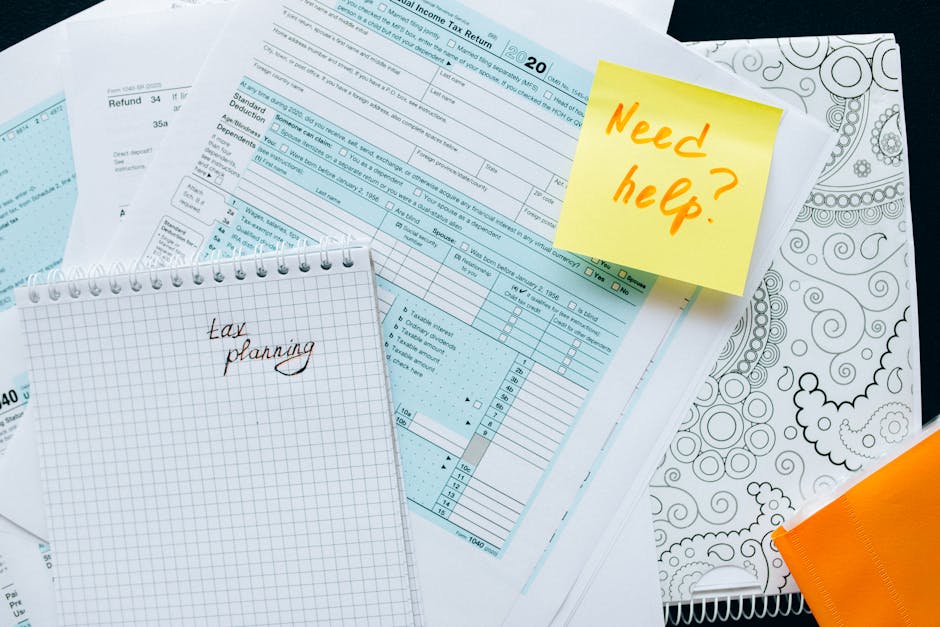
The desk is cluttered with a mix of notebooks, a pen, and a stack of flashcards, all waiting for attention. However, as the minutes tick by, the initial enthusiasm begins to wane. Instead of diving into the notes, the learner finds themselves scrolling through a digital device, browsing unrelated topics.
With the clock ticking, the learner realizes that the first ten minutes have vanished into the ether of distraction. The notebook lies open, but without a visible marker indicating where to resume, the material feels overwhelming. Each page contains valuable insights, yet the scattered nature of the notes makes it hard to find the last topic covered. A missed check occurs when the learner forgets to place a sticky note at the last reviewed page, leading to frustration.
This small action creates a visible cue for the next session. When returning, the learner can quickly locate the marked page, minimizing the time spent searching and maximizing the focus on effective note-taking.
Identifying the Friction: Why It Happens
The learner sits at their desk, surrounded by a flashcard stack and an open notebook, but the absence of a clear restart point leaves them disoriented. Instead of diving into the notes, they find themselves scrolling through pages, searching for the last topic covered. This initial confusion can easily consume the first ten minutes, which are crucial for effective note-taking.
- The lack of a visible marker, such as a sticky note on the last reviewed page, creates a gap in continuity, making it hard to jump back into the material.
- With multiple resources spread out—notes, flashcards, and digital devices—the learner feels overwhelmed, leading to distractions that pull focus away from effective note-taking.
- Good intentions alone aren’t enough; without a defined structure, the learner risks losing valuable time to the chaos of disorganization.
To counteract this, placing a sticky note at the last reviewed point before closing the notebook can serve as a practical checkpoint. When the learner returns, they can immediately see where to pick up, minimizing the time wasted in searching and maximizing their focus on the material at hand.
A Simple Adjustment: Marking the Restart Point
Returning to your notes after a long day can feel like stepping into a maze without a map. You sit down at your desk, surrounded by a stack of flashcards, a notebook, and a pen, but the first few minutes slip away as you search for the right page. This disorientation often stems from not having a clear restart point. To address this, use a sticky note to mark where you left off. Simply place it on the last reviewed page before closing your notebook. This small action creates a visible cue that makes it easy to jump back into your material.
Once you’ve marked your spot, set a timer for ten minutes. This brief window encourages focused practice rather than aimless browsing through various materials. With your sticky note in place and the timer ticking, you can dive straight into the content without the usual distractions. If you find yourself losing track, glance at the sticky note to remind you of your last point of focus.
A Quick Check That Prevents More Drift

If this pattern keeps repeating, Practical Life Skills Us extends the idea without leaving the niche.
After a long day, returning to your notes can feel like a daunting task, especially when the first ten minutes vanish into the abyss of searching for the right page. Once you sit down at your desk, take a moment to open your notebook to the last page you were working on. This simple action not only saves time but also reorients your focus.
This visible cue serves as a reminder of your progress and helps you avoid the temptation to browse through unrelated materials. With the sticky note in place, set a timer for fifteen minutes. This time limit encourages you to concentrate on the specific content you want to review, rather than getting sidetracked by other topics.
What Gets Easier in the Next Time Block
This same friction shows up again in Learning New Skills As, especially when the day tightens unexpectedly.
Setting up your environment beforehand makes a noticeable difference. Place your flashcard stack on the right side of your desk, and your notebook on the left, opened to the last page you were working on.
When you sit down, take a quick moment to glance at the sticky note you placed earlier, marking your last point of focus. This small action can redirect your attention effectively. Instead of losing precious minutes flipping through pages, you can jump right into reviewing the material you intended to cover. Set a timer for ten minutes as a check to keep your focus sharp. During this time, stick to one topic and jot down any key points or questions that arise.
You’ll find that the first few minutes no longer disappear into searching; instead, you’re immediately engaged with your notes. This adjustment not only enhances your review habit but also builds momentum for future sessions, making it less likely that you’ll drift into unrelated topics. The key is that the more you practice this setup, the smoother your transitions become, allowing for a more productive use of your limited time.
Returning to your notes after a long day can feel like a daunting task, especially when the restart point isn’t obvious. If you find yourself staring at a stack of flashcards or a cluttered notebook, take a moment to identify where you left off. A simple action, such as flipping to the last page you wrote on or checking for the most recent flashcard you reviewed, can save you from losing focus.
Consider using a dedicated section in your notebook for quick notes or summaries of what you’ve learned so far. This allows you to quickly scan and recall key points without wasting time searching through pages. As you settle in for your short session, take a moment to look at this reference before diving in; it can help you maintain your focus and keep browsing at bay.


