Navigating the Friction of Effective Note Taking
The clock ticks down the last twenty minutes before bedtime, a narrow window for focused learning after a long workday. As I prepare to dive into my notes, I realize that the first ten minutes often vanish in a futile search for the right page or trying to recall where I left off. The restart point is rarely obvious, and without a clear transition, I find it easy to slip from productive note-taking into aimless browsing.
With my pen poised above the page, I remind myself to mark the restart point clearly next time, perhaps using a sticky note or a simple line to indicate where I need to begin. Each session feels like a race against time, but the real friction lies in that initial moment of uncertainty. What I need is a quick review target to anchor my focus and avoid the common pitfall of losing momentum right at the start.
The First Ten Minutes: A Common Pitfall
The disarray is a familiar sight, but it’s also a barrier. I glance at the clock, noting that I have only twenty minutes before I need to wind down for the night. This limited window heightens the urgency, yet I can already feel the first ten minutes slipping away as I flip through the pages of my notebook, searching for where I left off.
Each page turn feels like a small eternity. I know I had marked a key concept, but without a clear indicator, I’m left scanning through dense notes filled with hastily scribbled thoughts. The time wasted in this search is frustrating; I can feel my focus drifting, making it all too easy to switch from productive note-taking to mindless browsing on my phone. To counter this, I decide to implement a quick review target for tonight’s session: I’ll focus solely on the last three concepts I studied.
Before diving in, I take a moment to place a sticky note on the page where I plan to start. This small adjustment serves as a visual anchor, ensuring I won’t lose my place again. As I finally begin to write, I remind myself that the initial friction of finding my restart point can derail my entire session. The goal now is to maintain momentum, but the challenge remains: how to keep those first ten minutes from becoming a pitfall in my note-taking routine.
Why the Restart Point Matters
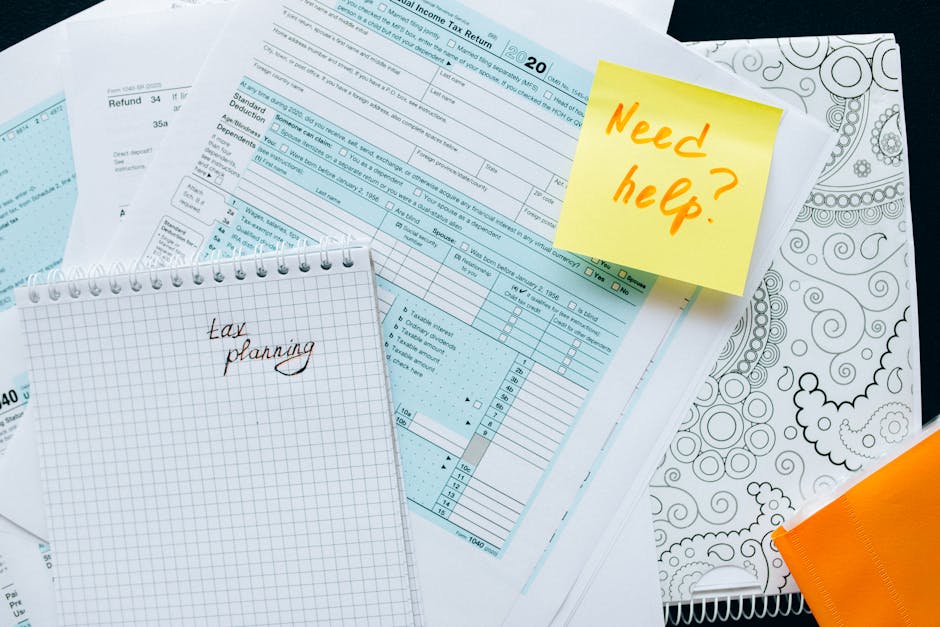
My flashcard stack sits to the side, and my notebook lies open, but the first ten minutes slip away as I fumble through the pages, trying to find the right spot to begin. The scattered notes, filled with my hurried thoughts, make it hard to pinpoint where I left off. This moment of indecision is critical; without a clear restart point, I risk losing focus and drifting into distractions, like the notifications buzzing on my phone.
To combat this, I decide to mark my restart point with a sticky note on the page I need. This simple action serves as a visual cue, anchoring my attention and reminding me of my goal: to review the last three concepts I studied. I set a timer for twenty minutes, knowing that the limited window after work demands efficiency. As I start writing, I realize the importance of that sticky note; it not only saves time but also helps me resist the temptation to scroll through my phone. The immediate consequence of this small adjustment is significant: I’m able to dive into my notes without wasting precious moments searching.
Yet, even with the sticky note, the challenge remains. The mental shift required to engage with my notes after a busy day can still feel overwhelming. I can’t help but notice how easily the first few minutes can devolve into aimless browsing if I’m not careful. The restart point is not just a physical marker; it's a mental anchor that keeps me on track.
A Simple Adjustment: Marking the Restart Point
If this pattern keeps repeating, Practical Life Skills Us extends the idea without leaving the niche.
The first ten minutes often vanish as I flip through pages, searching for where I left off. To combat this, I started using a sticky note to mark my restart point. It’s a simple yet effective visual cue that reminds me exactly where to dive back into my notes. I place the sticky note on the last page I reviewed, making it easy to find my footing without unnecessary scrolling through my notebook.
Once I’ve set my sticky note, I grab my timer and set it for ten minutes. This time constraint helps me focus and resist the urge to browse aimlessly. The initial friction of shifting my mindset takes longer than I expect, and without that sticky note, I might lose track of my goal entirely.
While the sticky note anchors my attention, the hidden tradeoff is that I still need to mentally prepare myself to engage with the material. This adjustment, while small, highlights how effective note-taking methods can become more challenging in real life, especially when trying to balance work and learning.
What to Check Before Diving Back In
This same friction shows up again in Learning New Skills As, especially when the day tightens unexpectedly.
Returning to my desk after a long day, I often find myself staring at my notes, wondering where to begin. The flashcard stack sits nearby, but the initial ten minutes can easily slip away as I sift through pages, searching for the last point I made. It’s easy to lose focus, especially when the restart point isn’t marked clearly.
Before I start, I lay out my notebook, pen, and flashcards in a neat row. I also take a quick glance at the last few notes I jotted down, refreshing my memory on the topic. I’ve learned to place my sticky note on the last reviewed page, signaling where I need to pick up. This small setup detail eliminates the friction of searching for my last point and allows me to dive straight into the material.
This time constraint encourages me to engage with the notes actively, preventing the temptation to browse online instead. With the materials organized, a clear review target in mind, and a timer ticking down, I can finally immerse myself in the learning process.
What Gets Easier in the Next Time Block

Instead of wasting time flipping through my notebook, I can now dive right into the material. The sticky note I placed on the last reviewed page not only marks my restart point but also serves as a visual cue, reminding me of what I need to focus on. By having this small adjustment in place, I eliminate the usual friction of searching for my last point, which often derails my concentration.
I quickly scan my notes, identifying one specific concept to review. This targeted approach helps me stay on track, preventing the temptation to drift into browsing online or getting distracted by unrelated tasks. With my notebook open, pen in hand, and a clear goal, I find that I can absorb the material more effectively. The review habit begins to take shape, allowing me to build on what I learned in the previous session.
However, even with this newfound efficiency, I can’t shake the feeling that I might still lose focus if I don’t keep my materials organized. It’s a delicate balance, but for now, I can appreciate the progress made in this short time block.
The first ten minutes often slip away as I search for the right page or the last note I made. This time, I’ve decided to mark my restart point with a sticky note on the page that contains the concept I want to dive back into. It’s a simple yet effective visual cue that helps me bypass the usual distractions and immediately focus on my review target.
However, even with this adjustment, I can feel the potential for my attention to waver. The clutter on my desk, combined with the allure of online browsing, makes it essential to stay vigilant. I remind myself to keep my materials organized and my goals clear. The next time I sit down, I’ll check that sticky note first, ensuring I start right where I left off, and hopefully, this will help me maintain the momentum I need to keep my note-taking effective.


