Navigating the Friction of Effective Note Taking
It's 8 PM, and the desk is cluttered with a stack of flashcards, a well-worn notebook, and a pen that has seen better days. The materials are all within reach, yet the first ten minutes vanish as they flip through pages, searching for the right spot to restart their notes. The restart point isn't obvious, and the initial momentum fades quickly, making it hard to dive back into the material.
This moment of hesitation often leads to frustration, as the self-learner realizes that the time spent locating notes could have been better used for actual review. Instead of jumping straight into the content, they find themselves caught in a loop of disorganization. With a simple check of their notes and a timer set for focused practice, they could reclaim those lost minutes and enhance their review habit.
The First Step That Gets Skipped
Returning to a cluttered desk can feel overwhelming, especially when the goal is to dive back into effective note taking. The flashcard stack looms large, and the well-worn notebook lies open, but the first ten minutes evaporate as the self-learner flips through pages, trying to find the right spot. The restart point isn’t obvious, and in this moment, the initial momentum dissipates. Instead of engaging with the material, they find themselves lost in a sea of disorganization, which can quickly lead to frustration.
They realize that the time spent locating notes could have been better used for actual review. This visual cue would serve as a clear entry point, eliminating the need to hunt for where to begin.
In the moment, the self-learner could also set a timer for 25 minutes of focused practice, ensuring that the time is spent effectively rather than wasted in indecision. By creating a habit of marking the restart point and using a timer, they can reclaim those lost minutes and enhance their review habit. The cluttered desk remains a challenge, but with these small adjustments, the path back into the material becomes clearer and more manageable.
When the Routine Begins to Slip
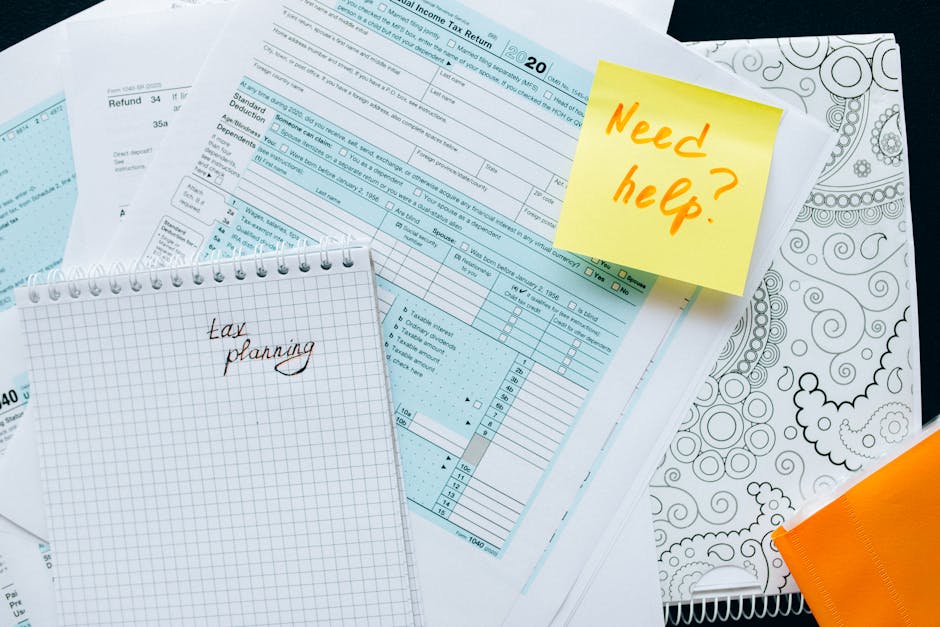
As the self-learner sits down, the flashcard stack is within reach, but the notebook lies open to a page from a previous session that was never quite finished. The first ten minutes vanish as they flip through the pages, searching for the right spot to dive back into the material. The restart point isn’t marked, and this lack of a clear entry can lead to frustration, as they waste precious time instead of engaging with the content.
This small action creates a visual cue, making it easier to find the restart point later. By committing to this short, intense block of time, they can avoid the trap of browsing aimlessly through notes. The cluttered desk may still present a challenge, but with these adjustments, the path back into the material becomes clearer, allowing for a more effective review habit. Why Friction Happens in Ordinary Life A desk strewn with old notebooks, pens, and random papers can make it nearly impossible to locate the notes needed for effective learning. As the self-learner sits down with the intent to dive back into the material, they often find themselves sifting through a pile of distractions instead. This disarray not only wastes time but also disrupts focus, leading to a frustrating start.
The presence of a phone nearby adds another layer of distraction. Even with the best intentions to stay focused, the temptation to check messages or scroll through social media can lead to lost minutes and fragmented thoughts. To counter this, a simple yet effective practice is to turn off notifications and place the phone in a drawer or across the room. This small adjustment helps create a more conducive environment for learning.
However, even with the phone out of sight, the clutter remains a hidden obstacle. The self-learner might think they can push through and find what they need, but the reality is that the first ten minutes often slip away in a fruitless search. Marking the last page used with a sticky note at the end of each session could alleviate this issue, offering a clear restart point.
This same friction shows up again in Learning New Skills As, especially when the day tightens unexpectedly.
A Better Order for the Same Five Minutes
Returning to notes after a long day can feel like a daunting task, especially when the restart point is not immediately obvious. Sitting at the desk, the flashcard stack is neatly organized, but the notebook lies open to a random page, making it difficult to dive back into the material. A simple adjustment can transform this chaotic start into a smoother transition.
This short window is not just for browsing through notes; it’s a focused review period. Open the notebook to the last marked page—this could be where you left off or a sticky note indicating the last topic studied. If there’s no marker, you may waste precious time flipping through pages, losing focus on the actual learning.
This small change means you can easily return to the right spot without sifting through notes. As the timer ticks down, quickly glance over the last few points covered, ensuring you’re not just re-reading but truly engaging with the material. This five-minute review not only sets a clear restart point but also primes your mind for deeper focus as you transition into new content.
What Gets Easier in the Next Time Block
If this pattern keeps repeating, Practical Life Skills Us extends the idea without leaving the niche.
Returning to your notes after a long day can feel like a daunting task, especially when the flashcard stack sits nearby, waiting for attention. As you settle at your desk, the first step is to grab your notebook and pen, but the challenge lies in finding where you left off. Instead of flipping through pages haphazardly, take a moment to locate the last marked page or a sticky note that indicates your last topic.
Once you’ve found your restart point, set a timer for five minutes. Use this time for a focused review of the last few notes, ensuring you engage with the material rather than just skimming. By actively recalling the key points, you reinforce your memory and prepare your mind for the new content ahead. As you transition into the next topic, you’ll find that your mind is more receptive, making it easier to dive deeper into the material without the initial confusion.
The flashcard stack may be calling your name, but without a clear restart point, valuable time slips away. If you haven’t marked your last page or used a system to highlight your previous notes, you might find yourself wasting the first ten minutes just flipping through your notebook, searching for that elusive spot. This can lead to frustration and disengagement, making it harder to dive back into effective note taking.
To streamline this process, consider implementing a simple practice: always mark your last reviewed topic with a sticky note or a quick annotation at the top of the page. This not only saves time but also creates a visual cue that signals your brain to transition back into learning mode. As you settle in with your materials, take a moment to glance at that marker before diving into new content.


