Navigating the Friction of Effective Note Taking
As the clock ticks toward bedtime, the desk is cluttered with a stack of flashcards, a well-worn notebook, and a pen that’s ready for action. However, the first ten minutes slip away as they flip through pages, searching for the last note taken. The restart point isn’t obvious, and the familiar notes seem to blend into a sea of scribbles, making it hard to regain focus.
Without a clear marking of where to resume, the learner may find themselves lost in the details instead of diving back into productive practice. A simple action like noting the last reviewed topic or setting a timer for a focused block can make all the difference. Yet, the tendency to browse through old notes instead of honing in on specific review targets often leads to frustration and wasted time.
The First Ten Minutes Disappear
After a long day at work, the desk is a familiar sight: scattered notes, a timer set for thirty minutes, and a stack of flashcards waiting to be reviewed. The notebook lies open, but the last page read is lost in a jumble of scribbles. As the self-learner sits down, the urge to dive into the material is strong, yet the first ten minutes vanish while flipping through pages, searching for the last point of focus.
Without a clear marking of where to restart, the learner finds themselves scrolling aimlessly through notes instead of honing in on specific topics. A simple yet effective action is to mark the last reviewed topic with a sticky note or a quick pen line in the margin. With the right page identified, the learner can finally engage with the material, but the temptation to browse through old notes remains a constant friction point, making it harder to maintain focus and purpose. Where the Routine Begins to Slip As the self-learner settles down at the desk, the flashcard stack and notebook are within reach, but the first few moments are often lost in confusion. Without a clear marker, the learner might spend precious minutes flipping through pages, trying to recall where they left off.
In an effort to regain focus, the temptation arises to browse online for additional resources or explanations. This often leads to a rabbit hole of distractions, pulling attention away from the notes that are already prepared. The learner might think, "Just a quick check for clarification," but this can easily extend into a lengthy detour. The notebook, which should serve as the primary tool for review, instead becomes a secondary option as the learner finds themselves scrolling through search results instead of engaging with the material.
To combat this, a practical check can be implemented: before starting the session, take a moment to mark the last reviewed topic clearly with a sticky note or a bold line in the margin. This simple action creates a visual anchor that helps the learner quickly locate their restart point. Yet, even with this adjustment, the underlying friction of the browsing temptation persists, making it crucial to stay disciplined and committed to the notes at hand.
Why Clarity is Crucial in Note Taking
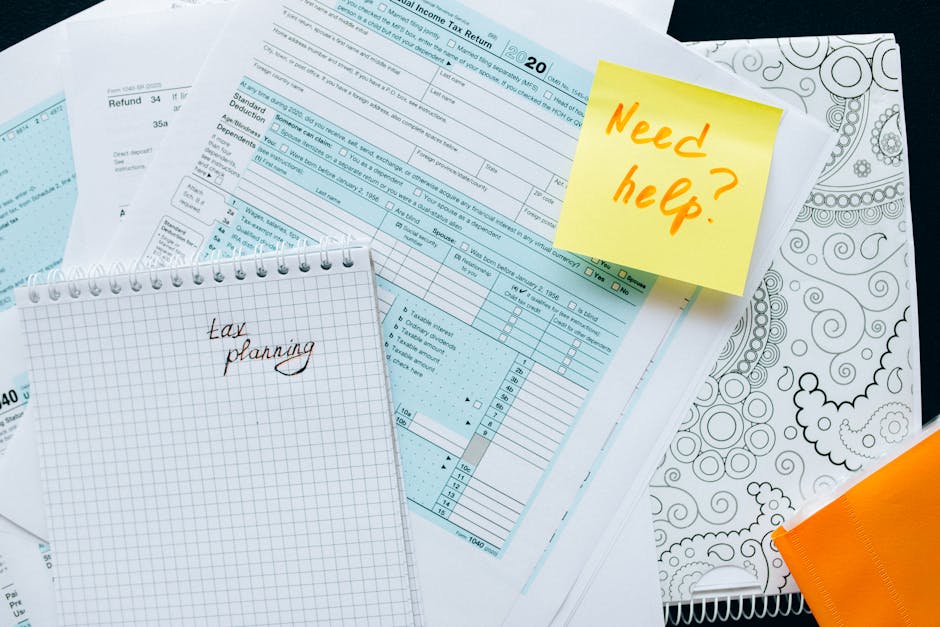
With a flashcard stack on one side and a notebook open to the last page, the first ten minutes often slip away just trying to find the right spot to dive back in. Without a clear re-entry point marked, motivation wanes as the mind drifts to distractions, like the phone buzzing with notifications nearby.
The setup can quickly become a trap. As the learner flips through pages or scrolls back to find where they left off, the initial enthusiasm fades. Good intentions to focus on review can easily dissolve into a browsing session, where the learner convinces themselves that a quick check online for clarification is necessary. This hidden step of searching for additional information can lead to a significant loss of focus, pulling them further from the notes that were meant to be the primary resource.
To combat this, it’s essential to establish a visual anchor before starting the session. A simple but effective move is to place a sticky note on the last reviewed topic or draw a bold line in the margin of the notebook. This small adjustment not only marks the restart point but also serves as a reminder to stay disciplined. Yet, even with this preparation, the temptation of distractions remains.
This same friction shows up again in Learning New Skills As, especially when the day tightens unexpectedly.
Marking the Restart Point: A Simple Adjustment
Picture your desk, cluttered with a stack of flashcards and a notebook, the clock ticking down your limited time before bed. As you sit down, the first ten minutes can easily slip away as you flip through pages, trying to remember where you left off. This search for the restart point can lead to frustration and a loss of motivation.
To streamline this transition, take a moment before diving into your notes to mark the last point you reviewed. Use a bright sticky note or a bold pen to draw a line or write a clear heading at the end of the last section. This visual cue not only indicates where to begin but also helps maintain focus. Additionally, set a specific goal for your session, such as reviewing the last three flashcards or summarizing a particular topic in your notebook. Knowing exactly what you want to accomplish will keep you engaged and reduce the temptation to wander off into browsing.
After marking your restart point, consider placing your notebook directly next to your flashcards, creating a visual connection between the two.
What Gets Easier in the Next Time Block
If this pattern keeps repeating, Practical Life Skills Us extends the idea without leaving the niche.
To ease this transition, keep your flashcards and notebook within arm's reach on your desk. When you sit down, take a moment to glance at the stack of flashcards, which serves as a visual reminder of what you need to focus on. This setup not only saves time but also minimizes the mental load of figuring out where to start.
Before diving in, mark your last reviewed section with a bright sticky note on the page. This small action creates a clear visual cue, allowing you to jump right back into your notes without wasting precious minutes flipping through pages. Aim to summarize the key points from the last few flashcards or jot down a few quick notes on what you learned. Setting a specific target, like reviewing three flashcards or writing a brief paragraph, helps maintain your momentum and keeps your mind engaged.
By establishing this routine, you’ll find that the next time block becomes less daunting. This clarity not only boosts your confidence but also reinforces your review habit, making it easier to dive back into learning without the usual friction of uncertainty.
Returning to your notes after a long day can feel like a daunting task, especially when the restart point isn’t clear. Picture this: you sit down at your desk, surrounded by your flashcard stack and a notebook, but the first ten minutes slip away as you flip through pages, searching for where you left off.
To combat this, make it a habit to mark your last reviewed section with a sticky note. This simple action creates an immediate visual cue that directs you back to your notes without hesitation. By setting a clear, achievable target, you can dive back into your learning with confidence, minimizing the friction that often derails effective note-taking methods.


