Navigating the Realities of Effective Note Taking
It's 8 PM, and the desk is cluttered with a stack of flashcards, a well-worn notebook, and a pen that’s run out of ink. After a long day at work, the self-learner sits down with the intention of diving back into their notes, but the first ten minutes evaporate as they flip through pages, searching for the right section.
As the learner finally settles on a page, they realize they’ve lost valuable time that could have been spent reviewing key concepts or practicing skills. The notebook, once a reliable tool, now feels like a maze of scattered thoughts and incomplete ideas. The absence of a clear review habit or a marked restart point compounds the issue, making it harder to focus on what truly matters.
The First Ten Minutes: A Lost Opportunity
The self-learner, eager to make the most of the half-hour before bed, reaches for the pen and glances at the timer, which is set for just twenty minutes. However, the first few moments slip away as they flip through the notebook, searching for the last page they were on. With each turn, the pages seem to blend into one another, and the intended focus on reviewing key concepts quickly fades.
As the learner finally locates the right section, they realize that nearly ten minutes have vanished in the search. To combat this, they could mark the restart point on the page with a sticky note or a simple highlight, ensuring that the next time they sit down, they can dive straight into the content without wasting time. The flashcards, once a vibrant tool for quick recall, now feel like an afterthought, overshadowed by the chaotic search for notes.
Identifying the Restart Point: A Common Oversight
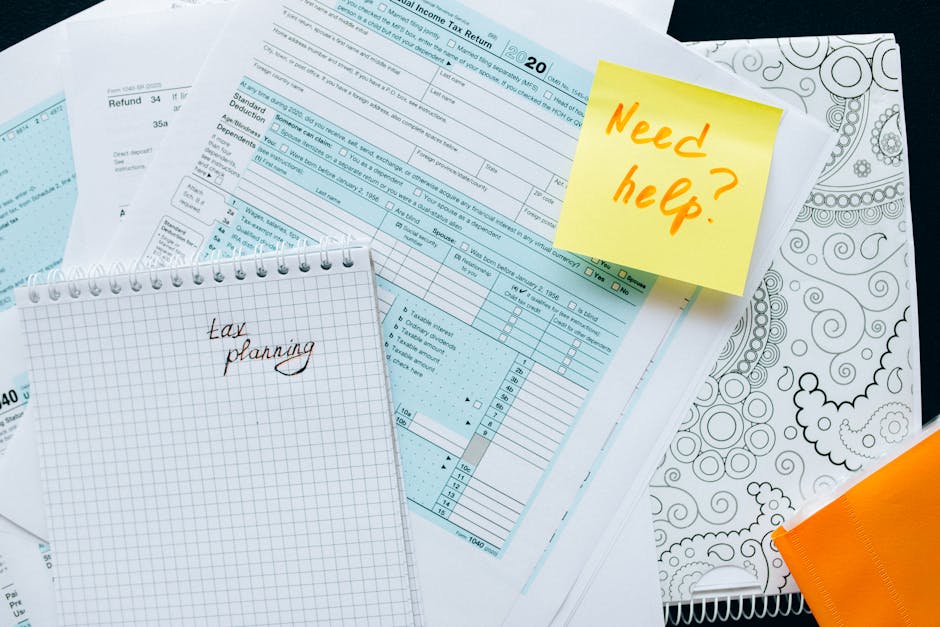
The flashcards, neatly stacked on the side, are a reminder of the task ahead, yet the first step is unclear. Without a visible restart point in the notes, confusion creeps in as they flip through pages, searching for where they left off. This moment of uncertainty can consume valuable time, leading to a frustrating delay in getting back to effective studying.
- Mark the last page used with a sticky note or a highlight to create a clear visual cue.
- Set a timer for the first five minutes to focus solely on locating the restart point.
- Keep a dedicated section in the notebook for quick reference to avoid flipping through multiple pages.
As the learner finally finds the right page, they realize that nearly ten minutes have evaporated in the search.
Why the Flow Disrupts: Everyday Friction
If this pattern keeps repeating, Practical Life Skills Us extends the idea without leaving the niche.
With papers, pens, and a half-empty coffee cup scattered about, the physical chaos translates into mental clutter. As the learner sits down, ready to dive into their notes, they find themselves distracted by the mess. Each glance at a stray flashcard or an unfiled document pulls their focus away from the task at hand, making it difficult to settle into a productive rhythm.
Notifications from devices compound this issue. As the phone buzzes with messages or alerts, the urge to check can be overwhelming. The intention to focus is there, but the environment is not conducive to it. This hidden friction point often gets overlooked; the learner may not realize that simply silencing notifications or clearing the desk could significantly enhance their ability to concentrate.
Before starting the session, a quick five-minute prep can make a difference. Take a moment to clear the desk, placing only the necessary materials within reach: the notebook, a pen, and the flashcard stack. Set a timer for this prep time, as it helps create a boundary that encourages focus. When the learner finally sits down, they can immediately open to the page marked with a sticky note, avoiding the frustrating search that often consumes the first ten minutes. However, without this small routine, they risk losing the initial momentum, highlighting how good intentions alone are not enough to ensure effective note-taking.
A Simple Adjustment: Marking the Restart Point
This same friction shows up again in Learning New Skills As, especially when the day tightens unexpectedly.
Sitting at your desk with the flashcard stack to the side, you might find yourself staring at your notes, unsure of where to dive back in. This is where a physical marker in your notebook can save time and mental energy. Before you start, take a moment to flip to the last page you were working on and place a sticky note there. This small action creates a visual cue, guiding you back to your previous thoughts.
As the timer counts down, you can focus on the material without the usual distractions. When the timer goes off, you’ll have a clear checkpoint to assess what you’ve accomplished. This structured approach not only marks your restart point but also encourages you to keep track of your progress. If you find yourself losing focus or drifting into browsing, glance at the sticky note; it reminds you of your goal and the specific content you aimed to tackle.
Without this simple adjustment, the first few minutes often evaporate as you search for the right page or try to recall where you left off.
What Gets Easier in the Next Time Block

You sit at your desk, surrounded by notes, a pen, and a timer, ready to dive into your material. However, the first ten minutes often slip away as you fumble through pages, trying to remember where you left off. This is where a simple adjustment can make a significant difference.
As you gather your materials, flip to the last page where you made notes. Use a colorful sticky note to mark that spot, creating a visual anchor that will guide you back seamlessly. This small action not only saves time but also helps you maintain focus. When you glance at the sticky note, it serves as a reminder of your previous thoughts and the specific content you intended to tackle during this session.
The next time you start a session, you’ll spend less time searching and more time engaging with the material.
The flashcards stacked neatly on your desk might serve as a reminder of the concepts you've tackled, but without a clear marker in your notes, the first few minutes often evaporate in searching. This is where a simple action can streamline your process: after each session, take a moment to jot down a few lines summarizing what you covered and where you want to pick up next. Place this summary at the end of your notes, making it easy to locate when you return.
This not only saves time but also provides a clear direction for your learning. With your notes organized and your flashcards at hand, you can dive right into the material without wasting precious minutes. The next time you sit down, remember to mark that spot—your future self will thank you for it.


