A More Useful Way to Approach Review Habit
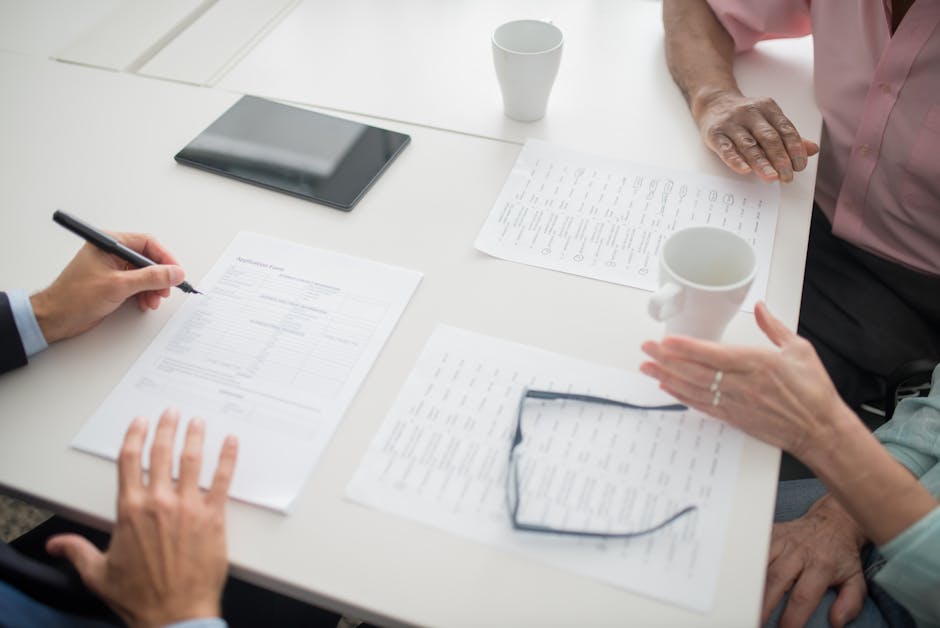
As the clock ticks down to your next commitment, the desk cluttered with notebooks and flashcards becomes a battleground for your attention. You pull out a pen and flip open your notes, but the task still feels fuzzy. With only a limited window to absorb information, you know that effective note taking is crucial, yet the environment feels chaotic and overwhelming.
In this rushed moment, the instinct to dive into the material often overshadows the need for a clear plan. You might skip the vital step of clearing your desk, leaving distractions in plain sight. Each flashcard you shuffle through feels disconnected from the notes sprawled before you, and without a focused review habit, the information can slip through your fingers like sand.
The First Step That Gets Skipped
As you sit down at your desk, the clutter of open notebooks, scattered flashcards, and a half-empty water glass creates a visual cacophony. Your notes lie sprawled out, a jumble of scribbles and highlighted sections, while your phone buzzes incessantly with notifications just out of reach. The instinct to dive right into the material is strong, but the chaos around you makes it hard to focus.
Before you can even think about effective note taking, the first step that often gets skipped is clearing your desk. Instead of pushing aside distractions, you might find yourself shuffling through flashcards while glancing at your phone, which only pulls your attention further away from the task at hand. The buzzing notifications feel like a siren call, tempting you to check them, but you know that doing so will only fragment your concentration. This small adjustment can help you hone in on one short review target, allowing you to focus on the key concepts that need your attention without the surrounding chaos derailing your efforts.
A Quick Decision Point: Broad vs. Specific Notes
As you settle back at your desk, the flashcard stack sits invitingly beside your open notebook, but the phone's notifications loom large in your peripheral vision. In a time-crunched moment, the temptation to jot down broad concepts instead of specific details becomes palpable. You might think, "I’ll just write down the main ideas for now and fill in the details later." This choice, however, can lead to a fuzzy understanding of the material, leaving gaps in your knowledge that are harder to fill during review.
With the phone within reach, each buzz and ping pulls at your attention, making it easy to lose track of what you intended to focus on. A quick glance at your notes reveals a jumble of half-formed thoughts that don’t connect well, making it difficult to recall key points when you need them. Before you start writing, take a moment to clear your desk and set a timer for a focused review of just one concept. This small adjustment can help you resist the urge to skim over details, ensuring that your notes become a reliable resource rather than a source of confusion. The Cost of Generalization: A Mini Case At the desk, a stack of flashcards sits beside a half-open notebook filled with hastily written notes. The phone buzzes softly, a constant reminder of distractions just within reach. As the student begins to review, they realize that their notes are a jumble of broad statements rather than the detailed examples needed for deeper understanding. Key concepts are glossed over, leaving a foggy recollection of the material.
During the practice session, the student struggles to connect ideas, flipping through pages filled with vague summaries. Instead of clear definitions, the notes offer only a shadow of the actual content, making it hard to recall specifics when needed. To combat this, the student decides to clear the desk of all unnecessary items and sets a timer for just ten minutes, focusing solely on one topic. This small adjustment helps to refocus attention, but the lingering impact of those general notes becomes apparent—without specific examples, the review feels incomplete, and the risk of confusion grows for future sessions.
This same friction shows up again in Learning New Skills As, especially when the day tightens unexpectedly.
A Better Order for the Same Five Minutes
When returning to the desk after a few missed sessions, it’s crucial to establish a focused environment. Before diving into notes, take a moment to clear the desk of any clutter, including old papers and snacks that might pull your attention away. This simple act creates a mental cue to focus on the task at hand.
- Place your notebook and pen front and center, ensuring they’re easily accessible. This way, you won’t waste precious seconds searching for materials when you’re ready to write.
- Set a timer for five minutes, dedicating this block solely to jotting down specific details from your notes. Instead of summarizing broad concepts, aim for precise definitions or examples that can trigger your memory later.
- Keep your phone out of reach, perhaps in a drawer or another room. The temptation to check notifications can derail your concentration, making it harder to absorb the material.
Alternatively, you might consider using digital notes on a tablet, which can allow for quicker edits and organization. By sticking to physical notes and following this structured approach, you ensure that even in a crowded day, the essence of your learning remains intact.
The Outcome of Specificity: A Practical Review
If this pattern keeps repeating, Practical Life Skills Us extends the idea without leaving the niche.
Returning to your notes after a hectic week can feel overwhelming, especially when the flashcard stack sits nearby, reminding you of the material yet to be mastered. As you clear your desk, placing the notebook and pen front and center, you can already sense a shift in focus.
With your notes open, you take a moment to scan through the key points. Instead of trying to grasp everything at once, you decide to tackle specific sections. Set a timer for ten minutes and concentrate on rewriting definitions or summarizing critical concepts. This focused approach not only clarifies your understanding but also makes your notes more useful for future review. When you notice that certain terms are clearer and more accessible, it boosts your confidence during practice sessions.
As you dive into this practice block, the frustration of not remembering details begins to fade. Each time you engage with your notes this way, the material becomes more familiar. The friction of having your phone within reach still lingers, but with your organized notes, you find it easier to resist the urge to check notifications.
Before diving in, take a moment to clear off any distractions—perhaps a half-empty coffee cup or loose papers from previous sessions. With only your notebook and a stack of flashcards in front of you, the material starts to feel less overwhelming. This simple act of organizing your space primes your mind for effective note taking.
With your notes open and a timer set for a quick review, you can now pinpoint specific areas that need attention. Instead of skimming through everything, focus on one flashcard at a time, jotting down key insights in your notebook. This targeted approach not only reinforces what you’ve learned but also helps you avoid the common pitfall of drifting online or getting sidetracked by your phone.