The Setup Shift That Makes Notebook Easier to Repeat

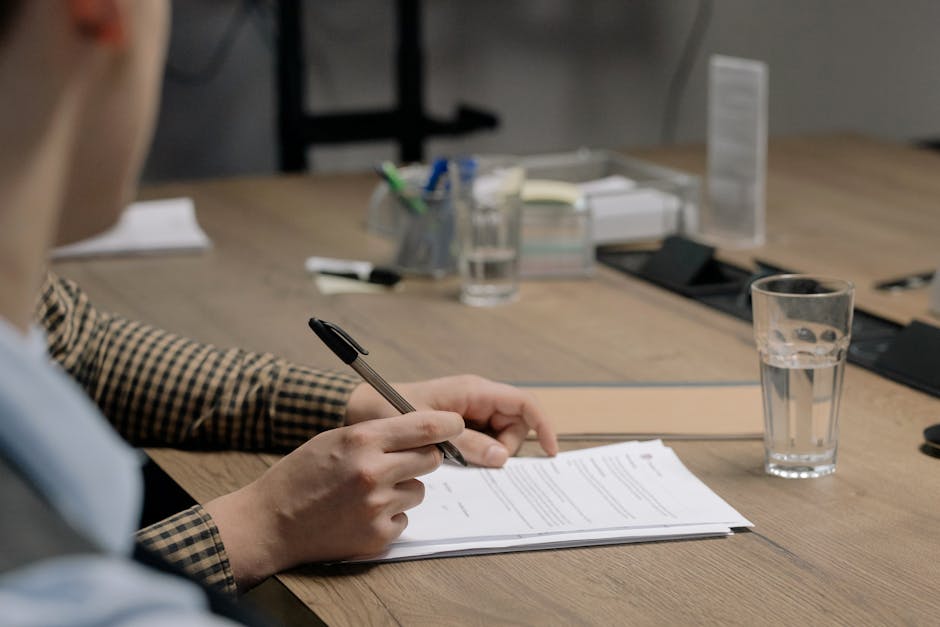
It’s 8 PM, and the desk is cluttered with scattered notes, a half-opened laptop, and a pen that rolled under a stack of textbooks. After a long day at work, the student sits down, determined to get back into the rhythm of studying. As the student flips through the pages of the notebook, the intention to focus quickly drifts into random scrolling through online resources, pulling attention away from the physical notes.
In this moment, a crucial step often gets overlooked: clearing the desk before diving into the review. The clutter not only distracts but also makes it hard to locate the relevant notes quickly. Each page turned reveals more disorganization, and the student feels the pressure of time slipping away. The challenge lies in not just the act of note-taking but in the setup and environment that can either facilitate or hinder effective learning.
The Setup: Returning to Notes After a Break
The student takes a deep breath, determined to make the most of the limited time available after a long day at work. With a timer set for 30 minutes, the goal is clear: review the material before bed.
As the student flips through the notebook, they realize that the notes are scattered across various pages, with some key points buried beneath random scribbles. A small but crucial adjustment is needed: clearing the desk first. By moving aside the irrelevant papers and closing unnecessary tabs on the laptop, the student can create a focused space. This simple act not only makes the relevant notes easier to access but also sets the stage for a more effective review habit, allowing the student to engage with the material meaningfully rather than getting lost in distractions. Hidden Steps: What Gets Overlooked in the Process The student sits down, scanning the surface and noticing a jumble of old receipts, snack wrappers, and a half-finished crossword puzzle. Each unrelated item acts like a magnet for distraction, pulling attention away from the notes that need reviewing. Without a clear workspace, the risk of drifting into random scrolling through online resources increases, as the mind searches for clarity amidst the chaos.
- Clear the desk of unrelated materials to create a focused environment.
- Set a specific review target, such as "understanding the key concepts from Chapter 3," to maintain direction.
- Prioritize opening only the relevant tabs on the laptop, avoiding the temptation to check social media.
Before diving into the notes, the first step is to push aside any distractions. This small act not only clears physical space but also mentally prepares the student for a productive session. With the timer ticking down from 30 minutes, the student can now focus on the specific target set earlier, making the review process more efficient and less likely to devolve into aimless browsing.
The Main Bottleneck: Distractions from Digital Devices
The temptation to check that latest message or email can easily pull focus away from the notes laid out in front. When the goal is to review material effectively, this distraction becomes a significant bottleneck, derailing the entire process.
As the student sits down with a pen in hand, the first step should be to silence the phone and close unnecessary tabs on the laptop. This simple act of clearing distractions sets the stage for a more focused session. However, if the student neglects this step, the review habit may quickly devolve into random scrolling through social media or websites, rather than structured note-taking. For instance, a quick glance at a notification can lead to an hour lost in unrelated content, leaving the actual notes untouched.
To combat this, it helps to establish a specific review target before diving in. For example, the student might decide to focus on "summarizing key points from Chapter 4" during this 30-minute window. With the timer set, the student can now prioritize the notes in the notebook, ensuring that they stay on track. This targeted approach not only enhances retention but also prevents the mind from wandering.
A Better Order: Structuring the Review Session
A slightly different version of this problem appears in Practical Life Skills Us, where the sequence changes but the hidden drag feels familiar.
Instead of diving headfirst into the material, take a moment to quickly overview the notes. This glance at the content helps in identifying which sections need the most attention, setting the stage for a more effective session.
To enhance focus, consider placing your phone in another room before starting. This simple act eliminates the temptation to check notifications mid-review, which can easily lead to random scrolling. Start by gathering all necessary materials: your notebook, a pen, and any printed notes. Set a timer for 25 minutes, then begin with a targeted task, such as summarizing key points from a specific chapter.
After the timer goes off, take a brief break to refresh your mind. This pause is crucial; it prevents burnout and allows for better retention of information. If you find your mind drifting during the session, check your placement of the materials. Ensure that your notes are open in front of you, with the most relevant pages easily accessible. This adjustment can make all the difference in maintaining momentum and avoiding the pitfalls of distraction.
What Changes When the Sequence is Cleaned Up
If this pattern keeps repeating, Learning New Skills As extends the idea without leaving the niche.
A simple yet effective adjustment is to clear your desk before diving into the review. This action not only creates a dedicated space for your materials but also helps to mentally prepare you for focused work. Lay out your notebook, pen, and any printed notes in a clean order, ensuring that the most relevant pages are easily accessible. This setup minimizes the chance of distraction, as you won’t be tempted to flip through unrelated materials.
This targeted approach keeps your mind engaged and reduces the likelihood of drifting online. If you find yourself losing focus, check your notes’ placement—having them open directly in front of you can significantly enhance your ability to stay on track. Each time you glance at your notes, you reinforce the material, making it easier to recall later.
Implementing this cleaner sequence not only improves your engagement but also allows you to complete a focused review session within your set time. The difference is palpable: instead of random scrolling through online distractions, you’re actively processing information.
As you sit at your desk, take a moment to clear the clutter around you. Remove any unrelated papers or distractions that might lead you to drift into random scrolling. This small action creates a physical boundary that helps keep your attention anchored to the task at hand.
Before diving into your review, identify a specific target within your notes—perhaps a particular section or concept you struggled with before. By having a clear focus, you can avoid the trap of aimless browsing and instead engage with the material meaningfully.