Why Good Intentions Around Note Taking Fail During Review Habit

The notebook lies open, but the first ten minutes slip away as they fumble through pages, trying to find the last section covered. The phone, resting just out of reach, buzzes with notifications, threatening to pull focus before they can settle in. With a limited window to review, every moment counts, yet the initial excitement of diving back into the material quickly fades into frustration.
In this moment, the student realizes that a simple oversight—a lack of a clear starting point—has derailed their intentions. Instead of marking where they left off, they allowed distractions to creep in, losing track of the review habit they had hoped to reinforce. The desk, once a space for focused learning, now feels cluttered with missed checks and scattered thoughts.
The First Five Minutes That Disappear
With only thirty minutes available before bedtime, the urgency to maximize this short block becomes palpable.
Before diving into the notes, a quick glance at the scattered pages reveals a missed opportunity: there’s no clear marker indicating where they left off. The last section read is buried beneath a jumble of unrelated notes and highlighted passages. This oversight leads to an all-too-familiar scenario: the first ten minutes slip away as they flip through pages, searching for context rather than engaging with the material.
To regain focus, the student decides to implement a small but effective adjustment. They pull out a sticky note and write down the last topic covered, placing it prominently on the desk. This simple action not only marks the restart point but also serves as a visual cue to guide their review habit.
However, the phone, still within reach, buzzes with notifications, a constant reminder of the outside world. Each vibration threatens to pull them away from the notes, emphasizing the need for a distraction-free environment. As they begin to read, the knowledge that they’ve taken steps to mitigate distractions helps to ease the tension. Yet, the struggle remains: how to maintain this focus while the clock ticks down, reminding them of the precious minutes that could easily vanish into the ether of distraction.
A Small Drift That Changes Everything
With the clock ticking down on their limited time, they pull out their pen and flip through the pages, only to realize they can’t remember where they left off. The first ten minutes vanish into the search, flipping back and forth between pages filled with hastily scrawled thoughts and diagrams. Each time they pause to check their phone, a new notification buzzes, pulling their attention further away from the task at hand.
In the midst of this chaos, the student neglects to mark their last point of engagement, a small but crucial mistake that amplifies their confusion. Instead of taking a moment to jot down a sticky note or even a quick line in the margin to signal where they should restart, they dive back into the notes without any anchor. This oversight not only wastes precious minutes but also leads to a frustrating cycle of distraction. As the minutes slip away, they realize that without a clear restart point, they are merely skimming through pages rather than actively engaging with the material. What Happens When Context Is Lost In the soft glow of the desk lamp, a student sits with their notebook open, ready to dive back into their notes after a few missed sessions. However, the phone lies just within reach, a tempting distraction. As they pick up the notebook, the first ten minutes slip away just trying to find the right page, flipping through sheets filled with hastily scribbled thoughts.
This loss of context leads to a cascade of issues. Important concepts that were once clear now feel muddled and distant. Instead of engaging with the material, the student finds themselves skimming, unable to connect the dots between ideas. Without marking a clear restart point—perhaps a small note in the margin or a sticky note placed on the last reviewed page—they struggle to regain their focus.
As they attempt to push through, the initial mistake of neglecting to mark their last point of engagement compounds the situation. They miss key details that would have otherwise reinforced their understanding, leading to a sense of defeat.
This same friction shows up again in Learning New Skills As, especially when the day tightens unexpectedly.
A Quick Fix for the Next Session
Before diving back into notes, a simple setup can save precious time and mental energy. In the dim light of the desk lamp, the student grabs a sticky note and places it on the last page of their notebook. Without this marker, they might spend the first ten minutes flipping through pages, searching for where they left off, which only adds to their frustration.
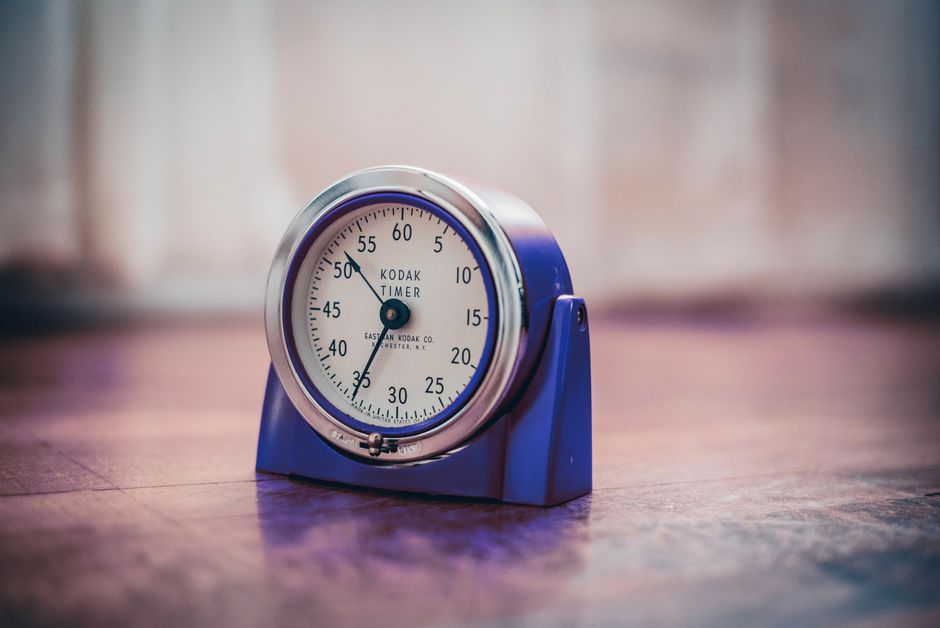
Next, they set a timer for five minutes. This isn’t just a countdown; it’s a focused review session. With the timer ticking, they quickly skim the last few notes, jotting down key terms or questions in the margins. This process helps re-engage with the material and solidifies those concepts in their mind. The act of writing reinforces memory, turning passive reading into active recall.
As the timer buzzes, they note any lingering questions on a separate sheet of paper, ready to tackle them later. By establishing this routine, the student not only enhances their review habit but also minimizes the risk of drifting into distractions, like that ever-present phone.
The Part Worth Repeating Tomorrow
If this pattern keeps repeating, Practical Life Skills Us extends the idea without leaving the niche.
The first step is to gather all materials within reach: your notebook, a pen, and a timer. This setup minimizes the chance of distractions, particularly that phone sitting just a few inches away. It’s tempting to check notifications, but that can derail focus before it even begins.
Marking the restart point in your notes is crucial. Take a moment to flip to the last page you worked on and place a sticky note there, ensuring you know exactly where to dive back in. Without this visual cue, you might waste precious minutes flipping through pages, losing momentum. Once you’ve marked your spot, set a timer for a focused ten-minute review session. This time constraint creates urgency, encouraging you to skim through the last few notes and jot down key terms or questions in the margins. The act of writing reinforces memory, transforming passive reading into active engagement.
By establishing this routine, you create a reliable framework that can stick, making it easier to jump back into your notes tomorrow, even if life gets busy. The friction of distractions can be managed, but only if you commit to this small, yet effective, practice.
Instead, keep your phone out of reach, perhaps in a drawer or another room, to prevent those distractions from creeping in. This simple separation allows you to concentrate fully on your notes, especially in those first crucial minutes when you’re trying to reorient yourself.
After marking your restart point with a sticky note, take a moment to glance at your desk lamp's warm glow, signaling that it’s time to engage with your materials. Use a timer to create a focused ten-minute review block, allowing you to skim through your notes and jot down any lingering questions.