Why Note Taking Often Works Better With a Smaller Setup
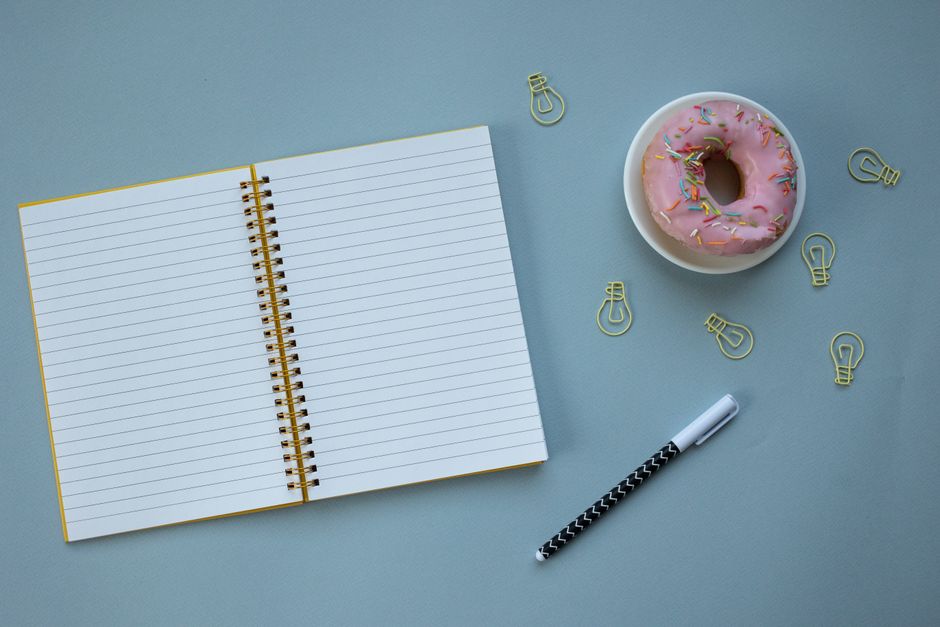
As the clock ticks down on a busy evening, the desk is cluttered with a stack of flashcards and a well-used notebook, waiting for attention. The first ten minutes, however, often slip away in a frustrating search for the right page in the notebook. Instead of diving into the material, the mind wanders, and the practice starts to feel too broad, drifting away from focused note-taking.
This friction point stems from a simple oversight: not having one page ready before the session begins. The act of flipping through pages, searching for the right notes, disrupts the flow and makes it harder to concentrate. A quick glance at the flashcard stack reveals that the last session ended without a clear transition back into the material. As the self-learner tries to regain focus, the challenge becomes clear: effective note-taking methods require more than just good intentions; they demand a streamlined setup that minimizes distractions and maximizes engagement.
The Setup That Often Gets Overlooked
At the end of a long workday, the desk is cluttered with scattered papers, a half-empty coffee cup, and a stack of flashcards waiting for attention. However, the first few minutes slip away as the self-learner flips through the pages of a well-used notebook, searching for the right section to start. The chaos of the workspace makes it easy to lose the thread of focus, and the practice block feels less like a productive review and more like a frustrating scavenger hunt.
This friction point reveals a crucial oversight: not having one page ready before the session begins. A quick glance at the flashcard stack reminds the learner that the last session ended abruptly, with no clear transition back into the notes. To regain focus, it’s essential to open the notebook to the intended page before starting. This small adjustment can save precious time and help maintain concentration. By placing the notebook in a designated spot on the desk, the self-learner can avoid the distraction of flipping through pages and instead dive straight into the material.
Hidden Steps That Slow You Down
The desk is cluttered with notes, a pen lies nearby, and a stack of flashcards awaits review. However, without the right setup, the first few moments can evaporate in a search for the correct notebook page. This often-overlooked detail can derail focus before it even begins. If the notebook isn’t already open to the intended section, the self-learner can easily lose valuable time flipping through pages, causing frustration instead of productivity.
Without this simple step, it’s easy to drift into browsing or multitasking, which dilutes the effectiveness of the session. The act of placing the timer on the desk, alongside the notebook, acts as a visual cue to stay on track.
To mitigate these hidden steps, a quick routine can be established. This small adjustment can create a more focused environment, allowing the learner to dive straight into reviewing material without the initial chaos of searching or getting sidetracked.
The Ten-Minute Time Sink
A slightly different version of this problem appears in Practical Life Skills Us, where the sequence changes but the hidden drag feels familiar.
Without a clear setup, flipping through pages can quickly become a frustrating ritual. The moment you sit down at your desk, the stack of flashcards and the pen are ready, but if the notebook isn’t already open to the intended section, it’s easy to lose focus before even starting.
This disorganization can derail your momentum, transforming a focused review habit into a distracted browsing session. You might find yourself skimming through notes that feel irrelevant, which only adds to the frustration.
To streamline this process, establish a routine where you check your notebook before the session begins. Open it to the section you plan to review and place it in a visible spot on your desk. This simple act not only saves time but also serves as a visual cue to keep you focused. Instead of wasting precious minutes flipping through pages, you can dive straight into your notes, maximizing the limited time available after work. The next time you sit down, make it a habit to have one page ready, ensuring that the only thing left to do is engage with the material, not search for it.
A More Effective Sequence for Note Taking
If this pattern keeps repeating, Learning New Skills As extends the idea without leaving the niche.
Returning to your desk after a long day can feel overwhelming, especially when you’re on a tight schedule. The stack of flashcards sits next to your notebook, but if you dive in without a clear plan, the first few minutes can evaporate as you scramble to find the right page.
To counter this, establish a routine that prioritizes preparation. Lay it flat on your desk, ensuring it’s easily accessible. Next, grab your pen and set a timer for 25 minutes. This not only structures your time but also creates a focused environment. Having a glass of water nearby can help keep you refreshed without the need to interrupt your flow.
Instead of wasting those crucial first ten minutes flipping through pages, you can immediately engage with your notes. The key is to have everything in place before you start: a ready notebook, a working pen, and a clear time limit.
What Runs More Smoothly After That
The initial scramble to find the right notes is replaced by immediate engagement with the material. Instead of losing ten minutes flipping through pages, you can dive straight into reviewing key concepts or practicing flashcards.
As you start writing, the act of taking notes becomes more fluid. Your pen flows over the page, capturing thoughts and connections without interruption. The timer ticking down in front of you serves as a gentle reminder to stay on task, reducing the temptation to drift into browsing or distraction.
To maintain this momentum, check that your notebook is always ready before your next session. A quick glance at your desk should confirm that the correct page is open, and your pen is capped and ready. The difference is palpable: a few minutes of preparation leads to a more effective note-taking experience, keeping your learning on track.
This small but crucial step can save you from the frustration of wasting precious minutes searching for notes. Picture your desk: the flashcard stack is within reach, your pen is poised, but if the notebook isn’t ready, those first ten minutes can evaporate in a flurry of flipping pages. Instead of engaging with the material, you find yourself lost in a sea of past notes, which only broadens your focus and dilutes your practice.
Before you finish your last session, take a moment to flip to the next clean page and jot down the date or topic at the top. This way, when you return, everything is set for immediate engagement. A simple check of your desk should confirm that your notebook is open and waiting, allowing you to dive straight into your review habit without delay.


