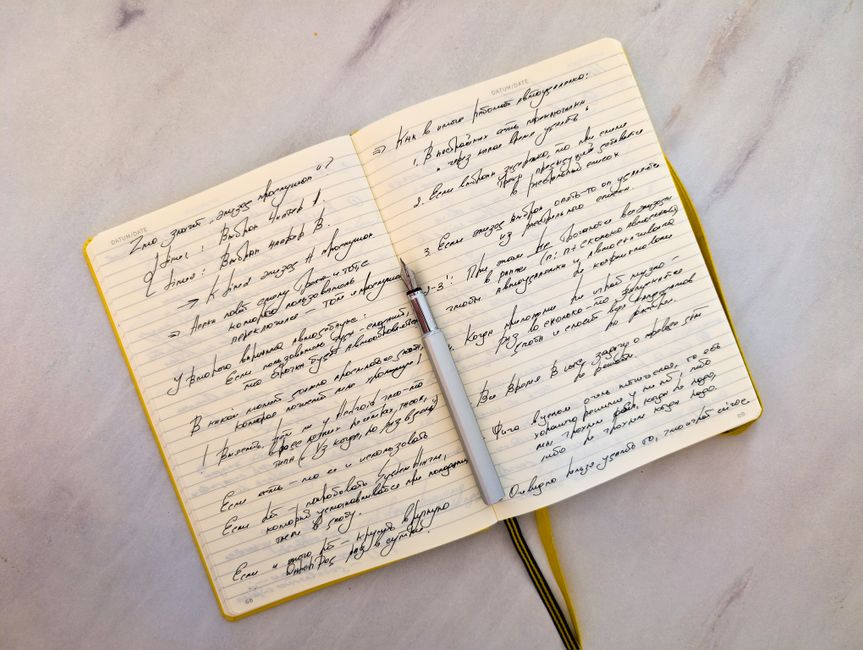
Effective Note Taking Methods

The notes are filled with scribbles and highlighted sections, but the task still feels fuzzy. You pull one practice set forward, glancing at the scattered pages and tabs on your laptop, hoping to find the right material to review before diving into the next obligation.
In this moment, the effectiveness of your note-taking methods hinges on a few critical choices. With limited time, it’s easy to overlook the need for a single page to be fully ready before the session begins. Instead of ensuring that all relevant notes are consolidated, you might skip the check of aligning your materials, leading to confusion and wasted time flipping between tabs. This small oversight can derail the focus needed for effective adult learning, especially when every minute counts.
The First Five Minutes: Rebuilding Context
As you sit down at your cluttered desk, the flashcard stack teeters precariously next to a half-open notebook, pages fluttering slightly in the draft from the nearby window. You have only ten minutes before your next commitment, and the pressure mounts to quickly reacquaint yourself with the material. The task feels daunting as you glance at the chaotic array of information, and you can’t help but feel overwhelmed.
In these first few moments, the effectiveness of your note-taking methods can slip significantly. Instead of pulling together a single page that summarizes key points, you find yourself flipping through multiple tabs and pages, searching for that one crucial detail. This disorganization not only wastes precious time but also disrupts your review habit, leaving you feeling unprepared. To mitigate this, take a moment to gather your materials: pull one practice set forward, ensuring it’s readily accessible.
The Decision to Skim or Deep Dive
As you settle back at your desk, the flashcard stack still looming beside your half-open notebook, the clock reminds you that time is short. You have just seven minutes before you need to leave again, and the temptation to skim through your notes is strong. Skimming feels like a quick fix; you can flip through familiar terms and concepts without diving into the details. However, this choice often leads to confusion. You might glance at a key term but miss the context that ties it to your practice set, leaving gaps in your understanding.
In these rushed moments, the pressure to make a quick decision can overshadow the need for thoroughness. You might open your notebook, scanning the pages filled with your notes, yet the task feels fuzzy. Instead of pulling a single page that encapsulates the main ideas, you find yourself flipping back and forth between different sections, losing track of what you intended to focus on. The clarity you hoped to achieve slips away, and you realize that skimming has only muddied your retention. This small action can help anchor your review, ensuring that you don’t miss critical details when time is tight.
This same friction shows up again in Learning New Skills As, especially when the day tightens unexpectedly.
Cost of Skimming: Lost Details and Context
The clock shows you have just 20 minutes before your next obligation. You flip through your notes, but instead of focusing on one page, you skim across multiple sections, hoping to grasp the key concepts quickly. This choice feels efficient at first, but as you glance over terms without context, you realize you’re missing critical connections that tie the material together.
As you attempt to recall information during your practice set, anxiety creeps in. You can’t remember how a specific concept relates to the problem at hand, leaving you fumbling through your flashcards in search of clarity. The tradeoff becomes clear: in your rush to review, you sacrificed the depth of understanding necessary for effective recall. Instead of feeling prepared, you find yourself frustrated and confused, wishing you had taken the time to pull one focused page forward, ensuring all relevant details were in front of you.
Next time, consider setting a timer for your review. Allocate the first two minutes to pull together one cohesive page that highlights the main ideas before diving into practice.
A Better Order for Quick Reviews
If this pattern keeps repeating, Practical Life Skills Us extends the idea without leaving the niche.
Returning to your desk after a busy day, you find your notes scattered across multiple tabs and pages, creating a chaotic environment for review. Instead of skimming through these disjointed materials, consider a more structured approach. Pull out a single page that summarizes the key points you need before diving into your practice set. This focused page acts as a foundation, ensuring you have all relevant information in one place, which can significantly reduce the confusion that often arises when trying to connect concepts under pressure.
Set a timer for five minutes to allocate dedicated review time. In these minutes, summarize the main ideas and jot down any crucial connections between topics on your chosen page. This small adjustment not only streamlines your review process but also enhances retention. When you start your practice set, you’ll find that having this consolidated information right in front of you makes it easier to recall details and apply them effectively. Skipping this step may seem like a time-saver, but it often leads to fumbling through flashcards and missing the context needed to tackle problems efficiently. The Outcome of Consistent Review Practices When you take a moment to gather your materials, the initial feeling of chaos begins to fade. Instead of scrambling through multiple tabs on your laptop or rifling through scattered notes, having one page ready with key points allows you to focus immediately on the practice set ahead.
As you glance at that consolidated page, you notice a clearer understanding of the material. This clarity doesn’t just enhance your confidence; it also reduces anxiety during practice. The last-minute rush of trying to piece together information from various sources often leads to frustration and a sense of being unprepared. By consistently implementing this review habit, you create a smoother transition into your practice sessions, where you can recall details more effectively.
This action serves as a checkpoint, ensuring that you’re not just going through the motions but actively engaging with the material. Skipping this step may seem harmless, but the tradeoff is significant: without that one page of notes, you might find yourself lost in the details, struggling to connect concepts when it matters most.
If you skip the step of consolidating your review material into one accessible page, you risk feeling overwhelmed when you sit down with your flashcards. Instead of diving straight into practice, you find yourself flipping between tabs and pages, trying to recall the details scattered across your materials. This fragmented approach not only wastes precious time but also leaves you with a nagging uncertainty about what you actually know.
Take a moment to gather your notes and jot down key points on a single page. By ensuring that you have that one page ready, you set yourself up for a more effective and engaging practice session, where the material feels familiar and manageable.