The Setup Shift That Makes Study Session Easier to Repeat
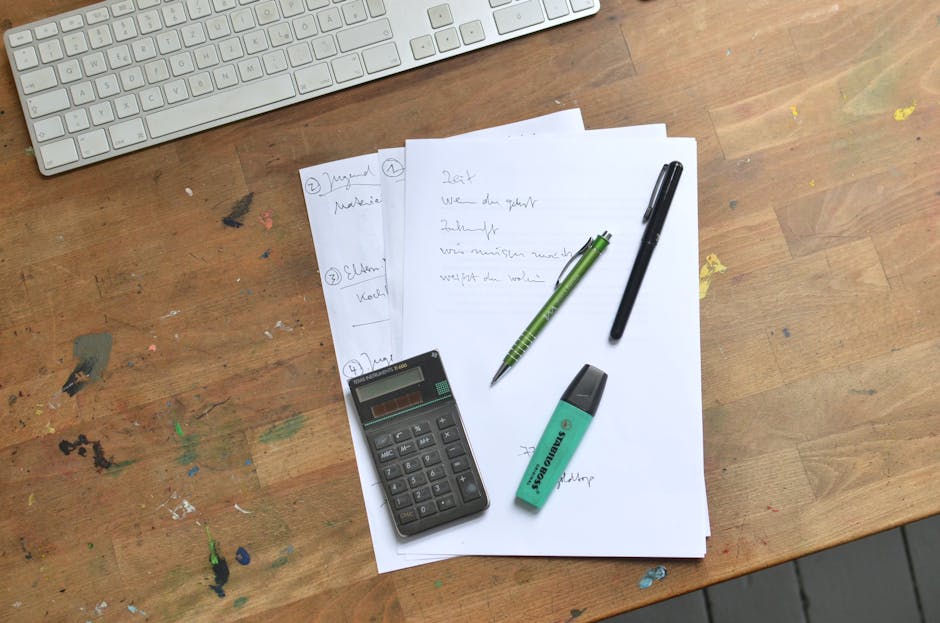
As the desk lamp casts a warm glow over scattered notes and a well-worn notebook, the clock ticks down the last few minutes of a busy day. But as you flip through the pages, the first ten minutes vanish in a frustrating search for the right material. Review notes are split across tabs on your laptop and pages in your notebook, making it difficult to regain your focus.
When you finally locate the right section, the momentum you hoped to build has already slipped away. The transition from one set of notes to another becomes a mental hurdle, and the scattered layout of your materials adds to the confusion. A simple missed step, like not marking where you left off, can compound the problem. Instead of diving into practice, you find yourself stuck in a loop of reorienting, losing precious time that could be spent honing your skills.
The Expected Note Taking Routine
The soft glow of the desk lamp illuminates your notes, creating a small oasis of light in the dim room. As you glance at the clock, you realize you have only twenty minutes before your next obligation. Each second counts, yet the first few minutes slip away as you mentally prepare to dive back into your materials.
To maximize this short block of time, you pull forward the practice set you had previously marked with a sticky note, ensuring it’s the first thing you see. Setting a timer for fifteen minutes, you commit to a focused review habit. You start by quickly scanning your notes for key concepts, but if your eyes wander to other tabs on your laptop, you risk losing your place. Instead, keep your focus on the notebook, flipping through the pages to find the relevant section marked earlier. Each time you return, the goal is to minimize the initial disorientation and make the most of your limited time. Where the Routine Breaks First You had marked it with a sticky note, yet the moment you sit down, the chaos of multiple tabs on your laptop and loose sheets in your notebook creates a barrier. The review material is split across digital platforms and physical pages, making it hard to regain your flow.
As you flip through your notebook, the disorganization becomes evident. You find yourself distracted by other tabs, each promising a new insight but pulling you further from your goal. The visible sign of drift appears when you realize you’ve forgotten to bring the relevant textbook, which contains critical diagrams you planned to reference.
To counteract this drift, establish a quick check before starting your session: pull forward the practice set you’ve marked and ensure all necessary materials are within reach. A simple checklist can work wonders—jot down what you need on a sticky note and place it on your desk. This way, when you sit down, you can immediately confirm that everything is in order, allowing you to dive straight into your review habit without wasting precious time.
Why This Breakdown Repeats
Returning to your notes after a busy day often reveals a frustrating pattern: you sit down at your desk, the lamp casting a warm pool of light over your materials, only to find yourself lost in a sea of scattered pages. The first ten minutes slip away as you flip through your notebook, searching for that crucial practice set you meant to focus on. Instead of prioritizing specific review material, you end up skimming through everything, which only adds to the chaos.
This hidden cause of inefficiency often surfaces when you realize that the textbook with essential diagrams is still on the shelf, out of reach. Before starting your session, take a moment to pull forward the practice set you’ve marked and ensure your textbook is right beside you.
Checklist for a Stronger Start
Re-entering your notes after a busy day can often lead to wasted time and frustration. The desk lamp casts a focused light on your materials, yet the first few minutes vanish as you sift through scattered pages, searching for the practice set you intended to review.
- Pull forward one practice set from your notebook to keep it front and center.
- Set a timer for 25 minutes to maintain focus and limit distractions.
- Check that your textbook, especially if it contains important diagrams, is within arm's reach.
By pulling the practice set forward and ensuring your textbook is nearby, you can reduce the time spent searching and increase the effectiveness of your review. When the timer starts, you’ll be ready to engage with the material directly, instead of losing momentum to find what you need.
A Quick Contrast Checkpoint
This same friction shows up again in Practical Life Skills Us, especially when the day tightens unexpectedly.
Returning to your notes after a busy day can feel disorienting, especially when your materials are scattered. The desk lamp illuminates your workspace, but the initial moments can slip away as you search for the right page. Is your notebook open to the last set of notes? Have you placed your textbook nearby for easy reference? This small check can save you from the frustration of losing focus.
Identify one key topic to concentrate on during this session. For instance, if you’re reviewing a specific concept from your last practice set, pull that forward to the top of your notebook. This not only provides a visual cue but also sets a clear intention for your time. As you set a timer for 25 minutes, you’ll have a defined period to engage with the material without the distraction of searching through tabs or pages.
What Changes Once That Fix Repeats
A slightly different version of this problem appears in Learning New Skills As, where the sequence changes but the hidden drag feels familiar.
Instead of wasting the first few minutes flipping through pages or tabs, you’ll find that your notebook is already open to the last topic you reviewed. When you sit down at your desk, the desk lamp casts a warm glow over your materials, and you can immediately dive into the content without hesitation.
For instance, if you’ve pulled forward a specific practice set, you can quickly reference the key points and questions you’ve noted. This not only saves time but also enhances retention, as you’re engaging with the material right away. Setting a timer for 25 minutes becomes a straightforward task, as you’re no longer distracted by the search for your notes. Instead, you can concentrate on answering questions or summarizing concepts, making the most of your limited time.
Each time you repeat this process, the initial friction of re-engaging with your notes decreases. You start to recognize patterns in your learning, and your confidence grows.
Returning to your notes after a break can often feel like a daunting task, especially when your materials are scattered across multiple tabs and pages. To streamline this process, consider designating a specific practice set as your restart marker. Keep this set easily accessible, perhaps right on top of your notebook or pinned to your desk lamp.
Each time you engage with your notes, focus on summarizing key concepts or answering questions from that practice set. Next time you sit down, check that your practice set is ready to go, and watch how quickly you can get back into the flow of learning.


