Why Study Habits Often Works Better With a Smaller Setup
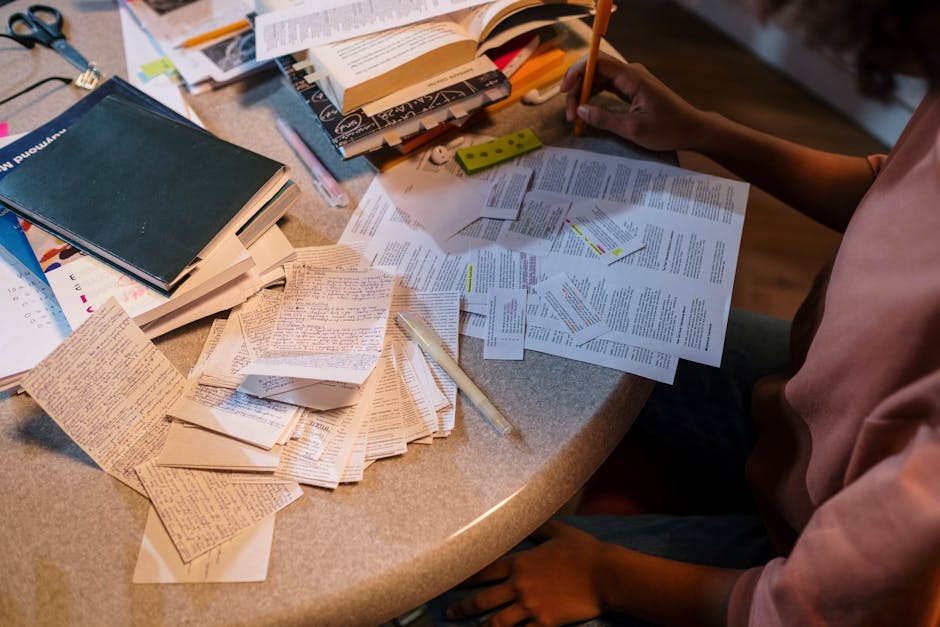
It's 8 PM, and the desk is cluttered with a mix of notebooks and loose sheets. They pull out the most recent notebook, flipping through pages filled with notes, diagrams, and highlighted sections.
Without a clear plan, the student struggles to find the right page for their review. They realize that their notes are scattered across multiple notebooks and digital formats, making it hard to connect the dots. The initial excitement of diving into the material quickly fades as they waste precious minutes searching for the right information. A simple check of having one page ready before starting could have streamlined this process, but instead, they face the friction of disorganization, which hampers their ability to effectively take notes and retain information.
The First Step That Gets Skipped
The desk is cluttered with a mix of notebooks, loose sheets, and a laptop open to a browser filled with bookmarks. Instead of focusing on one primary notebook, they’re faced with the chaos of multiple sources. The notes are scattered across different notebooks, making it difficult to find the right page. This disorganization leads to wasted time, as they flip through pages filled with unrelated material, losing momentum before they even begin.
They should take a moment to open the notebook to the most relevant page before diving into the material. This simple act of preparation can streamline their review process significantly. Instead of random scrolling through digital notes or flipping through various notebooks, having that one page ready allows them to focus on connecting ideas and retaining information.
As they finally locate the right page, they realize that the initial excitement of studying has been dulled by the time spent searching. The clutter on the desk, combined with the scattered notes, has turned what could be a focused review into a frustrating exercise in futility.
Common Friction Points in Scattered Reviews
The act of finding the right notes becomes a game of hide and seek, where the player is often left frustrated and distracted. Instead of diving into the content, the student may find themselves scrolling through a cluttered bookmarks bar, searching for the right document, only to encounter a maze of unrelated files. This disorganization not only wastes precious time but also disrupts focus, making it harder to engage with the material.
Taking a moment to open the notebook to the most relevant page can set the tone for the entire review. Without this small act, the student risks falling into a pattern of random scrolling, where they might spend ten minutes just trying to locate a single piece of information. Instead of feeling productive, they end up feeling scattered, which can dampen their motivation to continue.
As they finally locate the right notes, the excitement of learning is often overshadowed by the time lost in searching. A simple decision to check and prepare the workspace beforehand could transform the experience, allowing them to focus on connecting ideas rather than scrambling to find them. This friction point highlights how easily a disorganized review can derail effective note-taking methods, making it essential to establish a routine that prioritizes preparation.
This same friction shows up again in Learning New Skills As, especially when the day tightens unexpectedly.
A Better Order for the Same Five Minutes
A student might sit at their desk, glancing at a browser bookmarks bar filled with links to various resources, feeling the pressure of a limited five-minute window. Instead of diving into random scrolling through these bookmarks or flipping through multiple notebooks, a more effective approach begins with a simple action: opening the correct notebook page before the session starts.
By preparing the workspace ahead of time, the student can limit their focus to one source of information. For instance, if they have a notebook dedicated to a specific subject, they should take a moment to flip to the relevant section. This not only sets the tone for the review but also allows them to concentrate on connecting ideas rather than getting lost in distractions. With the right page open, they can quickly jot down notes or highlight key points without the frustration of searching for material.
In this case, the revised order of actions might look like this: first, set a timer for five minutes to create a sense of urgency; second, open the notebook to the relevant page; and finally, gather any additional materials needed, such as a pen or sticky notes, all within arm's reach.
What Changes When the Sequence is Cleaner
If this pattern keeps repeating, Practical Life Skills Us extends the idea without leaving the niche.
A student might sit down at their desk, glancing at their browser bookmarks bar filled with links to lecture notes, articles, and videos. Instead of diving into a focused review, they find themselves scrolling aimlessly through tabs, losing precious time and momentum.
When the student prepares their workspace with intention, the difference is tangible. Before starting, they take a moment to open their dedicated notebook to the correct page, which is already marked with a sticky note indicating the topic of focus. This small action not only directs their attention but also minimizes distractions. By having the right page ready, they can quickly jot down key points or questions without the frustration of hunting for information.
With a timer set for 20 minutes, they dive into the material, knowing exactly where to look. This structured approach leads to improved retention of information, as they engage with the notes directly rather than getting sidetracked by random content. The time spent searching for materials is drastically reduced, allowing for a more productive session.
The act of opening the right notebook page becomes crucial. Instead of flipping through multiple tabs or papers, having that one page ready allows for immediate focus. A quick glance at the sticky note on the page serves as a mental cue, directing attention to the specific topic at hand.
When the student sits down at their desk, they can avoid the common pitfall of aimless scrolling through browser bookmarks. This simple act of preparation not only streamlines the review process but also reinforces the habit of organized note taking. As they practice this method consistently, the connection between preparation and effective learning becomes clear, making the next session even smoother.


